
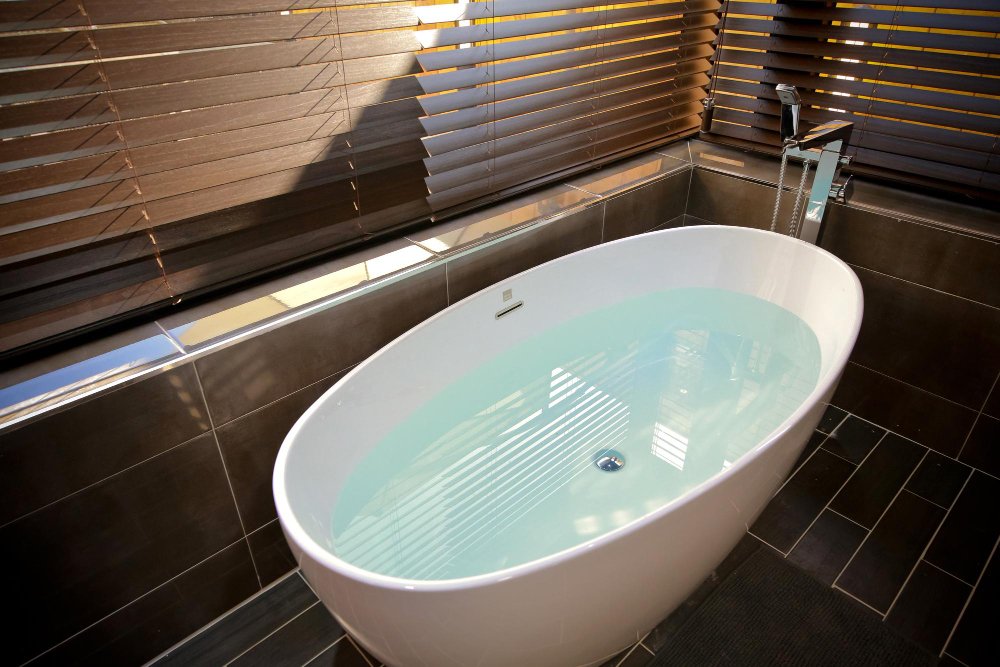
A bathtub replacement is one of the most effective ways to improve comfort, safety, and the appearance of a bathroom. However, many homeowners are unsure when replacement is truly necessary, what options are available, and how to prepare for the project. This FAQ answers the most common questions to help you make informed decisions before investing in a new bathtub.
Frequently Asked Questions
1. How do I know if my bathtub should be replaced instead of repaired?
Minor surface scratches, worn caulking, or isolated chips can often be repaired. However, replacement is usually worth considering if you notice:
- Large cracks or structural damage.
- Persistent leaks.
- Rust that continues returning.
- Deep stains that cannot be removed.
- An outdated tub that no longer fits your family’s needs.
- Difficulty cleaning worn or damaged surfaces.
If the damage affects the tub’s structure or waterproof performance, replacement is generally the safer long-term solution.
2. Should I replace only the bathtub or remodel the entire bathroom?
The answer depends on the condition of the surrounding space.
If the flooring, walls, plumbing, and layout remain in good condition, replacing only the bathtub may provide excellent value. However, if you already plan to update tile, relocate plumbing fixtures, or repair moisture damage, combining projects often reduces future labor costs.
Helpful Tip
Think about projects you may complete within the next five years. Coordinating related work now can reduce disruption and prevent paying for demolition twice.
3. Which bathtub material is best?
Every material has advantages depending on your priorities.
| Material | Main Benefits | Things to Consider |
|---|---|---|
| Acrylic | Lightweight, warm surface, easy maintenance | Can scratch if cleaned improperly |
| Fiberglass | Affordable and lightweight | May wear faster over time |
| Cast Iron | Exceptional durability and heat retention | Very heavy, may require structural evaluation |
| Solid Surface | Premium appearance and repairable finish | Higher initial investment |
The best material is the one that balances durability, maintenance, comfort, and budget for your specific household.
4. How long does bathtub replacement usually take?
The installation itself may be completed relatively quickly when plumbing remains in the same location and no hidden issues are discovered. However, projects involving structural repairs, plumbing modifications, tile replacement, or water damage naturally require additional time.
Your contractor should explain what conditions could extend the schedule before work begins.
5. Can replacing a bathtub improve safety?
Yes. Many modern bathtubs include features that make bathing safer and more comfortable.
Examples include:
- Lower step-over heights.
- Slip-resistant surfaces.
- Integrated seating.
- Grab bar reinforcement.
- Improved water temperature control.
These features are especially valuable for households planning to age in place.
6. What should homeowners inspect before installation?
Although the bathtub is the most visible part of the project, the surrounding structure is equally important.
Before installation begins, ask whether your contractor will inspect:
- Subfloor condition.
- Wall framing.
- Plumbing connections.
- Signs of hidden moisture damage.
- Drain location and performance.
- Ventilation within the bathroom.
Correcting hidden problems during replacement is usually much easier than discovering them after the new bathtub has already been installed.
7. How can I make my new bathtub easier to maintain?
Good maintenance begins with selecting appropriate materials and finishes.
To simplify long-term care:
- Clean the surface regularly with manufacturer-approved products.
- Repair damaged caulking promptly.
- Keep bathroom ventilation operating during and after bathing.
- Avoid abrasive cleaning pads.
- Address plumbing leaks immediately.
Simple preventive maintenance helps preserve both the appearance and performance of the new bathtub.
Maintenance Reminder
Many bathtub problems begin outside the tub itself. Controlling moisture through proper ventilation and routine inspections helps protect surrounding walls and flooring as well.
8. What questions should I ask before hiring a contractor?
Choosing the right contractor is just as important as choosing the right bathtub.
Useful questions include:
- Will hidden structural issues be documented if discovered?
- Is plumbing inspection included?
- How will waterproofing be handled around the new tub?
- What warranty covers installation?
- Will old materials be removed and disposed of?
- What maintenance is recommended after installation?
Detailed answers provide confidence that the project has been carefully planned rather than simply scheduled.
Frequently Overlooked Considerations
| Consideration | Why It Matters |
|---|---|
| Ventilation | Reduces long-term moisture problems |
| Waterproofing | Protects surrounding walls and flooring |
| Future Accessibility | Improves long-term comfort and safety |
| Quality Installation | Extends service life of the bathtub |
| Material Selection | Determines maintenance requirements |
Making an Informed Replacement Decision
Professional bathtub installation replacement projects improve much more than the appearance of a bathroom. A properly selected and professionally installed bathtub enhances comfort, supports safety, simplifies maintenance, and protects the surrounding structure from moisture-related issues.
“The best bathtub replacement isn’t simply about installing something new—it’s about creating a bathroom that remains comfortable, reliable, and easy to enjoy for many years.”
By asking the right questions, understanding available materials, and planning beyond today’s needs, homeowners can confidently invest in a replacement that continues delivering value long after installation is complete.




Leave a Reply