
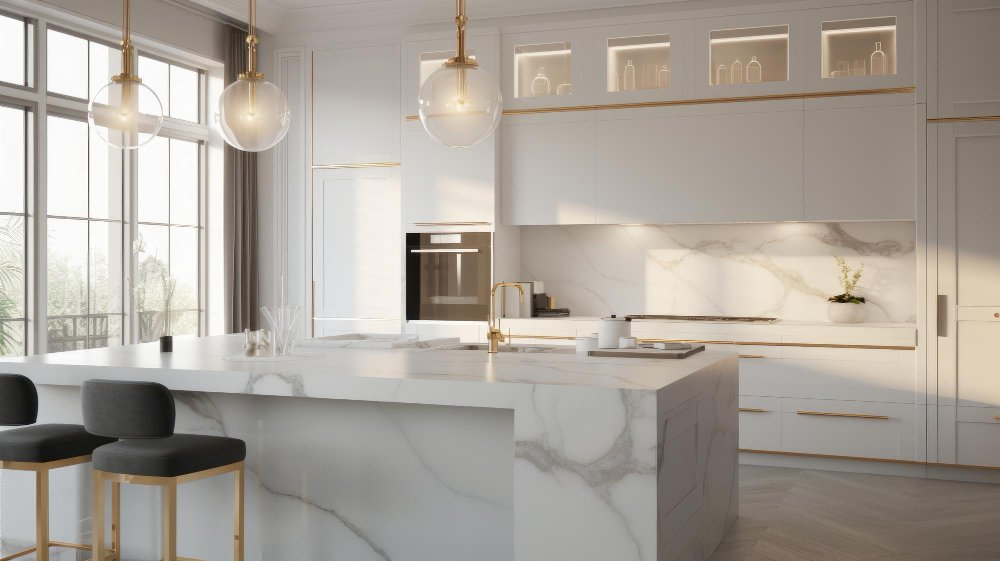
The Kitchen Is More Than a Place to Cook
A kitchen is one of the few spaces in a home that serves multiple purposes every day. It’s where meals are prepared, conversations begin, homework gets finished, guests naturally gather, and families spend time together. Because the room works so hard, even small design flaws become noticeable over time. Poor storage, inadequate lighting, awkward layouts, and limited workspace can turn routine tasks into daily frustrations.
Many homeowners believe a kitchen remodel begins by selecting cabinets or countertops. In reality, the most successful projects start by understanding how the kitchen functions—and more importantly, how it could function better.
“Beautiful kitchens impress visitors. Functional kitchens improve everyday life.”
Whether you’re planning a complete renovation or looking for ways to improve your existing space, thoughtful design decisions almost always deliver greater long-term value than following the latest design trends.
Start With Your Routine Instead of Your Wishlist
One of the biggest planning mistakes is designing around photographs rather than real habits. A kitchen that looks beautiful in a magazine may not suit the way your family cooks, entertains, or moves through the house.
Spend several days observing how the room is actually used.
Ask yourself:
- Where do people naturally gather?
- Which countertop is used most often?
- Where does clutter accumulate?
- Are multiple people able to cook comfortably together?
- Which appliances are used every day?
- What tasks feel inconvenient or repetitive?
The answers usually reveal opportunities for improvement that no showroom display can identify.
The best kitchen isn’t necessarily the largest one. It’s the one that reduces unnecessary movement while making cooking, cleaning, and entertaining feel effortless.
Design Around Workflow, Not Individual Features
Every kitchen supports a sequence of daily activities. Groceries arrive, food is stored, ingredients are prepared, meals are cooked, dishes are cleaned, and leftovers are put away.
Instead of designing each element independently, think about how these activities connect.
| Kitchen Zone | Primary Function | Planning Goal |
|---|---|---|
| Food Storage | Refrigerator and pantry | Easy grocery access |
| Preparation | Counter workspace | Continuous work surface |
| Cooking | Range and oven | Nearby cookware storage |
| Cleaning | Sink and dishwasher | Efficient cleanup |
| Serving | Dining and entertaining | Comfortable circulation |
Improving how these areas work together often has a greater impact than purchasing premium finishes.
Storage Should Simplify Everyday Life
One of the clearest signs of an inefficient kitchen is clutter on otherwise valuable countertop space. Small appliances, food containers, utensils, and pantry items often end up on display because storage isn’t convenient.
Before adding more cabinets, consider organizing storage by frequency of use.
- Everyday cookware near the cooking zone.
- Frequently used utensils beside preparation areas.
- Cleaning supplies beneath or near the sink.
- Breakfast items grouped together.
- Small appliances stored where they can be accessed easily.
Better organization frequently improves functionality more than simply increasing cabinet quantity.
Lighting Shapes How the Kitchen Feels
Lighting affects far more than appearance. It influences safety, food preparation, comfort, and even how spacious the room feels.
Instead of relying on one ceiling fixture, combine multiple lighting layers.
- General lighting for the entire room.
- Task lighting over preparation areas.
- Accent lighting inside glass cabinets or shelving.
- Decorative fixtures that define gathering spaces.
Well-planned lighting eliminates shadows, improves visibility, and creates a more welcoming atmosphere throughout the day.
Choose Materials That Match the Way You Live
One of the easiest ways to create a kitchen that continues looking beautiful is to select materials based on everyday performance rather than appearance alone.
Before making decisions, ask practical questions:
- How easy is this surface to clean?
- Will it resist stains and moisture?
- Can it be repaired if damaged?
- Does it require regular maintenance?
- Will it still look appealing ten years from now?
Families who cook every day often benefit from durable, low-maintenance materials, while households that entertain occasionally may place greater emphasis on aesthetics. There is no universal “best” choice—only the material that best supports your lifestyle.
Timeless materials usually provide better long-term value than finishes chosen simply because they are currently trending. Neutral foundations also make future updates easier and less expensive.
Plan for Tomorrow, Not Just Today
The most successful kitchens continue serving homeowners long after the renovation is complete because they are designed with flexibility in mind.
Consider future needs such as:
- Additional storage for a growing family.
- Space for larger or newer appliances.
- Charging stations for technology.
- Improved accessibility as household needs change.
- Flexible seating for entertaining.
Thinking ahead during the design phase often prevents expensive modifications years later.
Questions Worth Asking Before Finalizing the Design
Before approving plans or ordering materials, review the design from the perspective of everyday use.
- Will multiple people be able to work comfortably?
- Is there enough uninterrupted countertop space?
- Will storage remain adequate five years from now?
- Does the lighting support cooking as well as entertaining?
- Can commonly used items be reached without bending or stretching excessively?
- Are electrical outlets positioned where they’ll actually be needed?
Answering these questions now is much easier than correcting design limitations after construction begins.
“A thoughtfully designed kitchen doesn’t ask you to change your habits—it quietly supports them every day.”
A Kitchen Designed Around Everyday Living
The most successful kitchen projects are not defined by luxury finishes or the latest trends. They succeed because every design decision makes the room easier to use. Better workflow, practical storage, quality lighting, durable materials, and flexible planning create a kitchen that continues serving your family year after year.
When function comes first, appearance naturally follows. Instead of asking how your kitchen can look different, ask how it can work better. That approach leads to a space that not only looks beautiful on the day it’s completed, but continues improving everyday life for many years to come.


Leave a Reply