
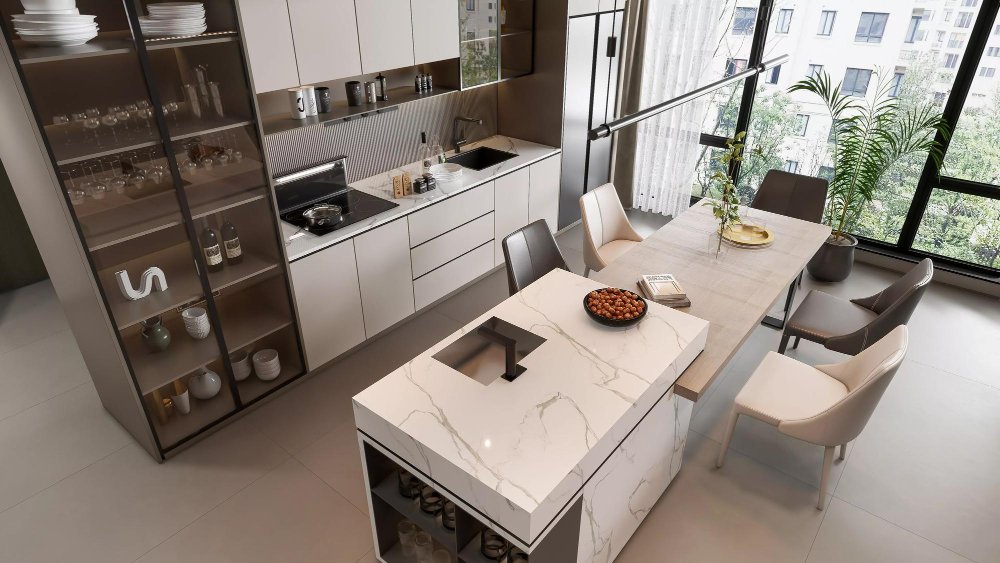
Most homeowners start shopping for cabinets by comparing colors, door styles, and finishes. Ironically, those are often the least important decisions you’ll make.
The biggest difference between ordinary cabinets and DreamLine Custom Cabinetry isn’t simply appearance—it’s how well the cabinets solve everyday problems. The right cabinetry can eliminate wasted space, improve workflow, reduce clutter, and make a kitchen or bathroom noticeably easier to live in for the next 20 years.
Before investing in custom cabinetry, it’s worth understanding what actually creates long-term value—and what features are simply expensive upgrades with little practical benefit.
1. Custom Cabinets Aren’t Right for Every Project
One of the biggest misconceptions is that every remodeling project requires fully custom cabinetry.
In reality, the best solution depends on your home, your budget, and your goals.
| Option | Best For | Potential Limitation |
|---|---|---|
| Stock Cabinets | Budget-conscious remodels with standard layouts | Limited sizes and finishes |
| Semi-Custom Cabinets | Minor layout adjustments and design flexibility | Still restricted by manufacturer dimensions |
| Custom Cabinetry | Unique layouts, maximum storage, personalized design | Higher investment and longer production time |
If your kitchen has unusual dimensions, angled walls, tall ceilings, or specific storage needs, custom cabinetry often provides value that stock cabinets simply cannot match.
Expert Tip
Don’t buy custom cabinets because they’re considered “premium.” Buy them because your home or lifestyle genuinely benefits from customization.
2. Dead Space Is More Expensive Than Most Homeowners Realize
Walk into almost any older kitchen and you’ll find storage that’s surprisingly inefficient.
Common examples include:
- Large empty spaces above upper cabinets.
- Blind corner cabinets that hide cookware.
- Narrow filler panels that store nothing.
- Deep base cabinets where items disappear in the back.
- Unused space beneath lower cabinets.
Custom cabinetry addresses these areas with solutions such as full-height cabinets, pull-out corner systems, vertical tray storage, toe-kick drawers, and custom pantry configurations. Instead of increasing the room’s size, it increases the amount of storage you can actually use.
3. Hardware Often Matters More Than Door Style
Many homeowners spend weeks choosing cabinet colors but only minutes discussing hardware. In practice, you’ll notice your hinges and drawer slides every single day.
Quality hardware can provide:
- Soft-close operation.
- Full-extension drawers that expose the entire drawer contents.
- Smoother movement under heavy loads.
- Reduced long-term wear.
- Less maintenance over the cabinet’s lifespan.
If your budget is limited, investing in better hardware often delivers more everyday satisfaction than upgrading to a more expensive door profile.
4. Storage Should Be Designed Around Your Routine—Not the Other Way Around
Think about how you use your kitchen for a single day.
Where do you prepare food? Which drawers do you open most often? Where do small appliances end up after breakfast?
Professional cabinet designers begin with these questions because they determine how the cabinetry should function.
Popular custom storage features include:
- Pull-out trash and recycling centers.
- Built-in spice organizers.
- Vertical baking sheet storage.
- Mixer lift shelves.
- Hidden charging drawers.
- Appliance garages.
These aren’t luxury features—they’re practical improvements that reduce clutter and make everyday tasks more efficient.
5. Material Selection Affects More Than Appearance
Cabinet materials influence durability, maintenance, and long-term performance just as much as they influence style.
| Material | Why Homeowners Choose It |
|---|---|
| Plywood Construction | Strong, stable, and resistant to warping |
| Furniture-Grade MDF Panels | Smooth painted finishes with excellent consistency |
| Solid Wood Components | Classic appearance and long-term durability when properly maintained |
Rather than asking which material is universally “best,” ask which combination best fits your home’s environment, design goals, and maintenance expectations.
6. Think About the Kitchen You’ll Have Five Years From Now
Families grow, cooking habits evolve, and storage needs change. A thoughtful cabinetry plan considers not only how you live today but how your household may function in the future.
Features such as adjustable shelving, oversized pantry storage, flexible drawer organizers, and multipurpose cabinets make it easier to adapt without another major renovation.
7. Some Upgrades Deliver Far More Value Than Others
When budgets are limited, prioritizing the right features makes a significant difference. Not every upgrade provides the same everyday benefit.
| Upgrade | Daily Impact | Worth Prioritizing? |
|---|---|---|
| Soft-close hinges & drawers | Quieter operation and less wear | ★★★★★ |
| Full-extension drawer slides | Easy access to every item | ★★★★★ |
| Pull-out trash & recycling | Cleaner, more efficient workflow | ★★★★★ |
| Deep drawer storage | Better organization for pots and appliances | ★★★★☆ |
| Decorative crown molding | Mainly aesthetic improvement | ★★☆☆☆ |
| Glass display doors | Visual appeal but limited functionality | ★★☆☆☆ |
Many homeowners are surprised to discover that the features they appreciate most after a remodel are usually the ones that improve convenience rather than appearance.
8. Ask These Questions Before Ordering
The quality of a cabinetry project depends as much on planning as it does on craftsmanship. Before signing a contract, make sure you understand exactly what you’re receiving.
- How will awkward corners be utilized?
- Are cabinet interiors customized or only the exterior dimensions?
- Which brand of hinges and drawer slides will be installed?
- Can shelves be adjusted in the future?
- How are tall cabinets secured for long-term stability?
- What warranty covers materials and workmanship?
These questions often reveal more about the quality of a cabinetry system than simply comparing brochures or finish samples.
9. The Best Cabinet Design Is Usually the One You Don’t Notice
Exceptional cabinetry doesn’t constantly draw attention to itself. Instead, it quietly improves daily routines.
Drawers open smoothly. Frequently used items are always within reach. Countertops remain uncluttered because storage has been thoughtfully planned. Family members naturally return items to their proper place because the organization simply makes sense.
That’s the difference between cabinets that merely look beautiful and cabinetry that genuinely supports everyday living.
Designer Insight
Beautiful finishes attract attention during the first week. Intelligent storage improves your life every day for the next twenty years.
10. Choose a Partner—Not Just a Cabinet Supplier
Cabinetry isn’t a product that’s selected from a shelf; it’s a system that should be designed around your home and your routines. The best results come from working with professionals who ask thoughtful questions, identify potential problems before installation, and recommend practical solutions rather than simply offering more expensive upgrades.
A collaborative design process often produces better outcomes than choosing the most elaborate style or the largest number of cabinets.
How to Know You’re Making the Right Investment
Custom cabinetry is worthwhile when it solves problems that standard cabinets cannot. If your project requires better organization, improved workflow, maximum use of available space, or cabinetry designed around the way your family lives, the additional investment often pays dividends every day through increased comfort and efficiency.
“The true value of custom cabinetry isn’t measured by how impressive it looks in a showroom—it’s measured by how effortlessly it supports your daily life at home.”
Professionally designed DreamLine Bespoke Cabinetry combines personalized planning, premium craftsmanship, and practical functionality to create storage solutions that remain beautiful, efficient, and adaptable for years to come.



Leave a Reply