
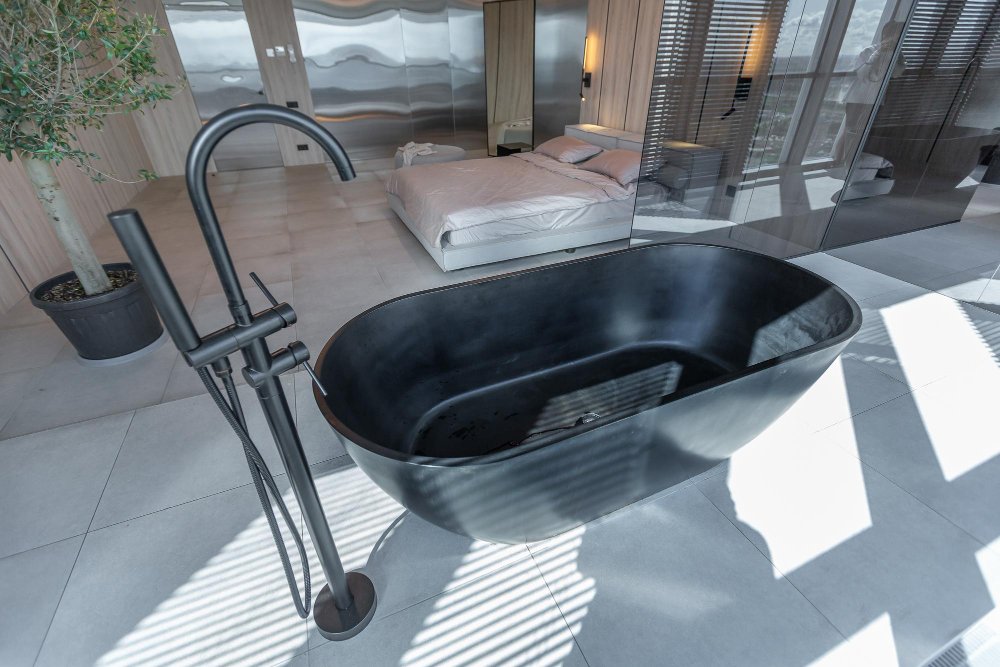
A bathroom should be one of the most comfortable and relaxing rooms in a home. Yet for many homeowners, an aging bathtub becomes a daily source of frustration. Stains that won’t disappear, chipped surfaces, uncomfortable designs, and recurring maintenance issues often make the room feel older than it really is. Fortunately, a professionally planned bathtub replacement can solve many of these problems while improving comfort, safety, and long-term functionality.
This guide explores the most common bathtub problems homeowners face, explains why they occur, and outlines practical solutions that lead to lasting results.
The Problem: An Aging Bathtub Affects More Than Appearance
Most homeowners begin thinking about replacement because of visible cosmetic issues. However, the underlying problems often extend beyond appearance.
Common concerns include:
- Permanent stains that resist cleaning.
- Cracked or chipped surfaces.
- Outdated designs that are difficult to enter or exit.
- Poor heat retention during bathing.
- Recurring caulking failures.
- Water leaks around the tub.
- A bathroom that no longer matches the rest of the home.
While individual repairs may temporarily improve some of these issues, repeated maintenance often becomes more expensive and less effective over time.
Common Mistake
Many homeowners continue repairing an aging bathtub without investigating whether moisture has already affected the surrounding walls or subfloor. Addressing hidden damage early usually prevents much larger repairs later.
The Cause: Why Bathtubs Wear Out
Bathtubs experience years of constant exposure to water, temperature changes, cleaning products, and daily use. Over time, even high-quality materials begin to show signs of wear.
Several factors accelerate deterioration:
- Hard water deposits.
- Improper cleaning products.
- Poor bathroom ventilation.
- Moisture trapped behind damaged caulking.
- Aging plumbing components.
- Normal wear from decades of use.
Understanding the cause helps determine whether replacement is truly necessary or whether a smaller repair may still be appropriate.
The Solution: Replace the Entire System, Not Just the Visible Surface
A successful bathtub replacement involves much more than installing a new fixture.
Professional projects often include:
- Inspecting plumbing connections.
- Evaluating surrounding framing.
- Replacing damaged waterproofing materials.
- Installing updated drain components.
- Applying new caulking and moisture protection.
- Improving accessibility where appropriate.
By treating the bathtub as part of the bathroom’s complete waterproofing system, homeowners gain much greater long-term reliability.
Solution Options Based on Your Needs
| Homeowner Goal | Recommended Solution |
|---|---|
| Improve appearance | Modern bathtub replacement |
| Increase safety | Low-threshold tub with slip-resistant surface |
| Reduce maintenance | Easy-clean acrylic or solid surface materials |
| Correct leaks | Complete plumbing and waterproofing inspection |
| Prepare for aging in place | Accessibility-focused installation |
Matching the solution to your priorities ensures that the finished project solves the problems that matter most to your household.
Preventing Future Problems
Once the new bathtub has been installed, a few simple maintenance habits help maximize its lifespan.
- Operate the bathroom exhaust fan after bathing.
- Inspect caulking periodically.
- Address plumbing leaks immediately.
- Use manufacturer-approved cleaning products.
- Avoid dropping heavy objects onto the tub surface.
Preventive maintenance is far less expensive than repairing moisture damage after it has spread behind finished walls.
The Results: Benefits Homeowners Notice Every Day
A professionally completed bathtub replacement provides improvements that extend well beyond appearance. Many homeowners notice the benefits immediately, while others become more apparent over time as the bathroom becomes easier to use and maintain.
| Before Replacement | After Replacement |
|---|---|
| Worn, difficult-to-clean surfaces | Smooth finishes that simplify cleaning |
| Recurring leaks and deteriorated caulking | Modern waterproofing and updated seals |
| Outdated design | Fresh appearance that complements the home |
| Limited accessibility | Safer entry and more comfortable bathing |
| Constant maintenance concerns | Greater reliability and lower upkeep |
When replacement addresses both visible wear and the hidden systems behind the walls, homeowners enjoy improvements in comfort, confidence, and long-term durability.
Problem Solved
- ✓ Better moisture protection.
- ✓ Easier everyday cleaning.
- ✓ Improved comfort and safety.
- ✓ Modern appearance.
- ✓ Reduced likelihood of future repairs.
Questions to Ask Before Starting Your Project
Choosing the right replacement involves more than selecting a bathtub style. Before approving the project, ask your contractor:
- Will the plumbing and drain assembly be inspected?
- How will waterproofing be updated?
- Can hidden moisture damage be identified before installation?
- Which bathtub material best fits my maintenance expectations?
- Is accessibility planning included?
- What warranty covers workmanship and materials?
Clear answers help ensure the project delivers long-term value rather than simply improving appearance.
Why Addressing the Cause Creates Better Results
Many bathroom problems seem to originate from the bathtub itself, but the real cause often lies in aging plumbing, damaged waterproofing, or poor ventilation. Replacing the visible fixture without correcting these conditions may allow the same issues to return.
A comprehensive approach treats the bathtub as part of an integrated bathroom system. By improving the surrounding structure as well as the fixture itself, homeowners reduce maintenance needs and increase confidence that the new installation will continue performing well for years.
“Replacing the bathtub solves today’s visible problems. Correcting the hidden causes prevents tomorrow’s repairs.”
Creating a Bathroom Built to Last
Professional bathtub installation replacement is more than a cosmetic improvement—it is an opportunity to enhance comfort, safety, durability, and everyday functionality. By identifying the root causes of existing problems and investing in quality materials and installation, homeowners create bathrooms that remain attractive, reliable, and easy to maintain for many years.



Leave a Reply